
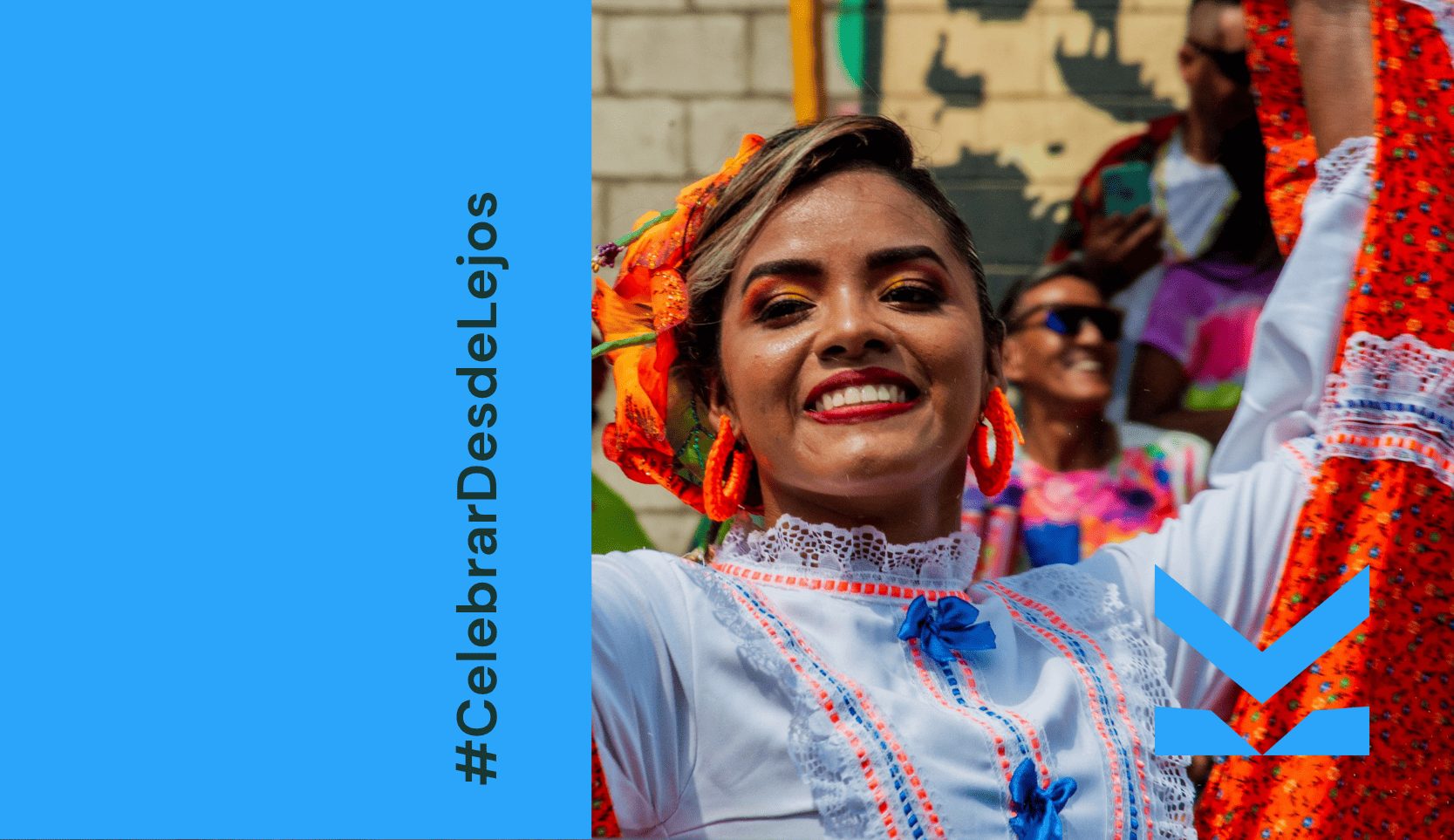
When one embarks on the journey of migration, the search for a new home is accompanied by a whirlwind of emotions: hope, uncertainty, and, often, homesickness. For Venezuelans who have settled in Colombia, there is a comforting truth: there they find familiar customs, expressions, and cultural references, since Colombia shares a border with Venezuela. If you’ve embarked on that journey or are planning to migrate to the neighboring country, you surely know that there were times when it was even united with Venezuela, but could you say Which came first, Gran Colombia or Nueva Granada? Here at Curiara, we bring you closer to the history shared by both peoples.
Which came first, Gran Colombia or Nueva Granada?
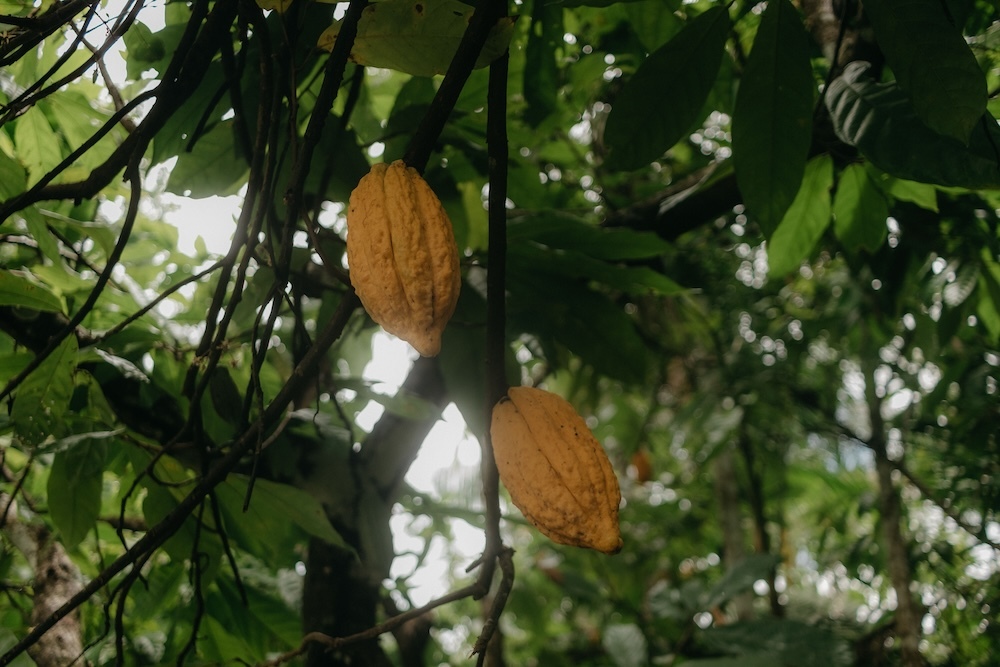
Imagine for a moment a vast land where the Andean mountains meet the endless plains and the Caribbean coast. A place where cacao grew wild, and where the voices of our ancestors were already mingling. The Viceroyalty of New Granada, established in the 18th century, was a Spanish colonial entity that encompassed what we now know as Colombia, Venezuela, Ecuador, and Panama.
But it wasn't the only Nueva Granada that existed in the region, so it's not that easy to answer the question we've posed. The relationship between the territories that today make up Venezuela and Colombia was ever-changing and highly complex. Let's take a closer look.
What were the New Kingdom and the Viceroyalty of New Granada?
We begin by distinguishing between two concepts: the New Kingdom and the Viceroyalty of New Granada. The New Kingdom of Granada is an older term that emerged shortly after the Spanish conquest. It referred primarily to the territories under the jurisdiction of the Royal Audience of Santa Fe de Bogotá, founded in 1549. It was an administrative division within the vast Spanish Empire, but it lacked the autonomy or political structure of a viceroyalty.
The Viceroyalty of New Granada, on the other hand, was a higher-level political and administrative entity created by the Spanish Crown in two stages: first in 1717, and then, after a brief period of dissolution, reestablished permanently in 1739. Its capital was Santa Fe de Bogotá, and it functioned for several decades. It was established to address the need to improve control and defense of its territories in northern South America—especially in light of the growing interest of other European powers—and to manage its resources.
What was the relationship between the Venezuelan territories and New Granada?
The history of the territories that today make up Venezuela is complex in terms of their relationship with New Granada. Before the creation of the Viceroyalty of New Granada, and throughout much of the colonial period, the Venezuelan territories were under various jurisdictions, primarily the Royal Audience of Santo Domingo, which was nominally part of the Viceroyalty of New Spain, with its capital in Mexico City. Imagine the distance, the complexity of communication, but also the exchange of culture and trade.
With the definitive establishment of the Viceroyalty of New Granada in 1739, the Venezuelan territories became part of this new entity, although this integration was short-lived: in 1742, the province of Venezuela regained its independence from the Viceroyalty, and in 1777 it was established as the Captaincy General of Venezuela.
What was the Republic of Colombia, known as Gran Colombia?
After centuries of colonial rule, the era of independence dawned. It was against this backdrop, in 1819, that Simón Bolívar—dreaming of a great, united nation—founded the Republic of Colombia, a union that has gone down in history as Gran Colombia.
This project sought to unite the territories that had made up the Viceroyalty of New Granada into a single sovereign nation. However, Gran Colombia was relatively short-lived. Enormous distances, regional differences, political ambitions, and economic difficulties led to its dissolution. Venezuela and Ecuador seceded in 1830, and just one year later, Gran Colombia ceased to exist, giving way to a third republic: New Granada.
Thus, If we ask ourselves which came first—Gran Colombia or Nueva Granada—the answer is complex: The New Kingdom of Granada and the Viceroyalty of New Granada were colonial entities that preceded Gran Colombia, a post-independence republican project that, though short-lived, is a milestone in our shared history; but there was also a New Granada after Gran Colombia—the republic that encompassed what are now Panama and Colombia.
Venezuela and Colombia: A Porous Border
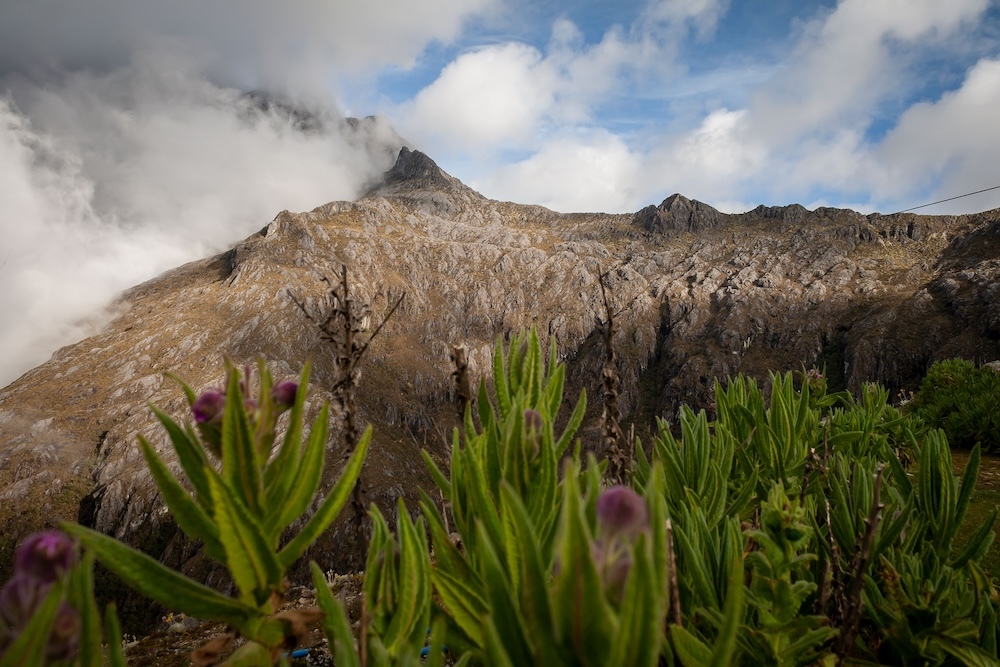
Our ancestors shared the same sun, the same rains, the same struggles, and the same joys. It is that shared heritage that allows you today to feel that sense of familiarity on the streets of Bogotá or Medellín, in the way people speak, and in the flavors of their food. Its influence remains and is even more pronounced along the border. As the political scientist explains Ronal F. Rodríguez, According to an expert on the geopolitics of Colombia and Venezuela, the people of that region do not identify as two separate nations: «The Andinos—as the inhabitants of western Venezuela are called—have always had a close relationship with the people of Santander.»
Tulio Hernández, A Venezuelan sociologist and historian based in Bogotá emphasizes this idea: «There are no two countries so similar or so interconnected, two nations with so many similarities and a history that has always been intertwined.» For centuries, there has been a constant flow of migrants between the two countries. In fact, Colombia is the country that hosts the most Venezuelan migrants, followed by Peru. At Curiara, we are proud to be the bridge that connects them with their loved ones. from Colombia and other Latin American countries, helping to keep the flame of closeness alive, no matter the distance.
More Than Just History: What Cultural Ties Exist Between Venezuela and Colombia
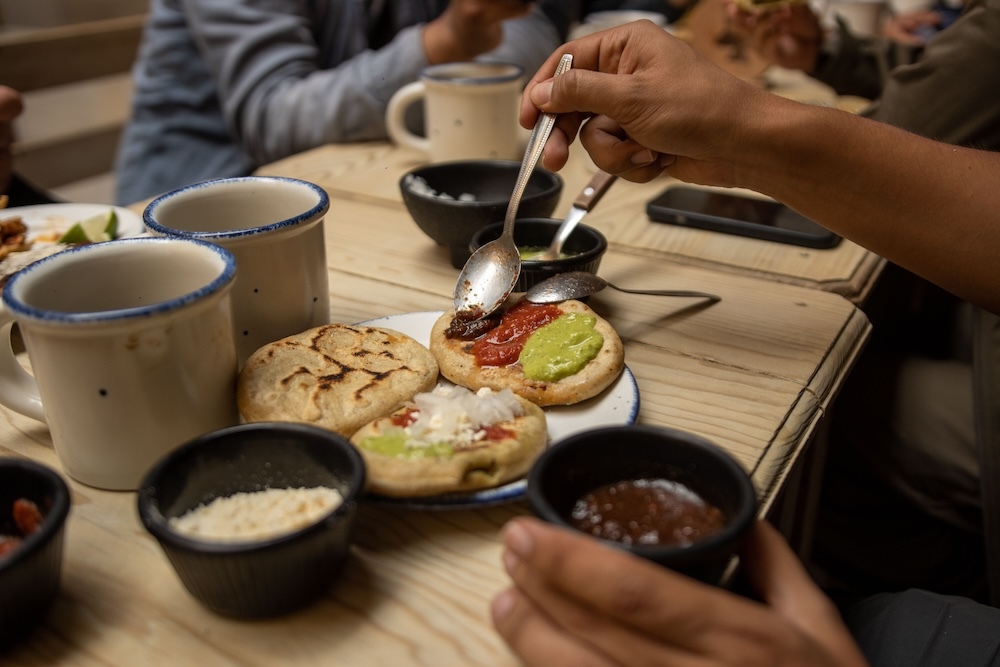
Our similarities are a living force that manifests itself every day. For a Venezuelan in Colombia, this translates into connections that make the adjustment smoother and more humane.
The familiar accent, the comforting sayings
How many times have you heard a Colombian say «¡échale ganas!» or «¡qué chévere!» and felt a little more at home? Those turns of phrase, those expressions that are so uniquely ours, are part of that legacy. We share not only a language, but a way of feeling and expressing it. It’s like when, in the middle of your daily routine, someone blurts out, «Put on your espadrilles—it’s time for some joropo!» and you know it’s time to face whatever comes your way with joy and determination. It’s a saying that connects us to the plains of Venezuela and Colombia, the birthplace of our joropo. There are many others Typical Venezuelan Phrases which are also said in Colombia, such as the classic «The shrimp that falls asleep gets swept away by the current»—a life lesson we’ve all heard.
Rhythm and Joy: The Music That Brings Us Together
If proverbs are the soul, music is the heart that beats to the same rhythm in Colombia and Venezuela. The joropo—that explosion of harp, cuatro, maracas, and bass that originated in our plains—is the traditional dance we share, but it’s not just the joropo that unites us. Although the cumbia, with its lilting rhythm and its African and Indigenous heritage, is an iconic dance of Colombia, its influence and variations are felt throughout the region, including Venezuela. Likewise, many Venezuelan migrants find comfort and joy in the lyrics and melodies of vallenato, which remind them of their people while welcoming them into Colombian culture.
Sharing a Meal: The Taste of Togetherness
Cuisine is, without a doubt, one of the strongest bonds. Who can resist the aroma of a freshly made arepa? It’s breakfast, dinner, a midnight snack—the dish that brings us together. Surely in Colombia and Venezuela, this is celebrated more than anywhere else—the World Arepa Day. And what can we say about sancocho, that comforting broth that tastes like family, like Sunday, like a celebration. The Venezuelan sancocho It is also enjoyed in Colombia.
Resilience as a guiding principle
Colombia and Venezuela share more than just the colors of their flags. Both Colombians and Venezuelans have faced our own historical challenges, but that ability to rise up, to seek new opportunities, and to maintain faith and joy despite adversity is a quality we share. It is resilience that drives you to seek new horizons, to build a dignified life for yourself and your loved ones, even when distance separates you from those you love most.
Building Your New Home in Colombia
For Venezuelan migrants, arriving in Colombia is an opportunity to build new support networks in a country whose history and customs have much in common with Venezuela’s. At Curiara, we know that as you build that new life, your heart remains connected to your family and friends. That’s why we strive to be the ally that allows you to Send money from Colombia to Venezuela safely and efficiently. We will continue to work here to ensure that this care and presence remain a reality.
Sources consulted
- Ministry of Culture of the Government of Spain: Bicentennial of Ibero-American Independence (Viceroyalties)
- Wikipedia: articles on the Viceroyalty of New Granada, the Captaincy General of Venezuela, the Royal Audience of Caracas, the Dissolution of Gran Colombia, and the New Kingdom of Granada
- Colombia.co: This Is What Bolívar's Gran Colombia Was Like
- "Actually: Colombia and Venezuela, A Brief History of a Brotherhood," by Ronal F. Rodríguez
- BBC News Mundo: The Striking Similarities Between Colombia and Venezuela That Many Colombians and Venezuelans Sometimes Find Hard to Admit, by Norberto Paredes
- Migration Policy Institute: In the Wake of Maduro, a Balanced Approach to Venezuelan Migration Is More Essential Than Ever, Diego Chaves-González