

Moving to Madrid is a decision that many people make in search of new opportunities, stability, and a better quality of life. But before taking that step, there’s one question that almost always comes up: How much does it really cost to live in Madrid?.
And the answer depends on many factors. It’s not the same to arrive alone as it is to arrive with your family, to share a room as it is to rent an entire apartment, or to live downtown as it is to live in more outlying areas.
Even so, understanding the cost of living in Madrid It can help you better organize your first few months, avoid unexpected expenses, and make decisions with greater peace of mind as you build your new life in Spain.
Is it expensive to live in Madrid?

Madrid is one of the the most expensive cities in Spain, especially compared to other parts of the country. However, it also offers more job opportunities, better transportation links, and a large international and Latin American community.
For many migrants, living in Madrid means finding a balance between professional growth, adaptation, and financial stability.
Although the cost of living has risen in recent years, it's still possible to manage your finances and live on a reasonable budget, depending on your lifestyle and where you live.
How much does it cost to rent an apartment in Madrid?
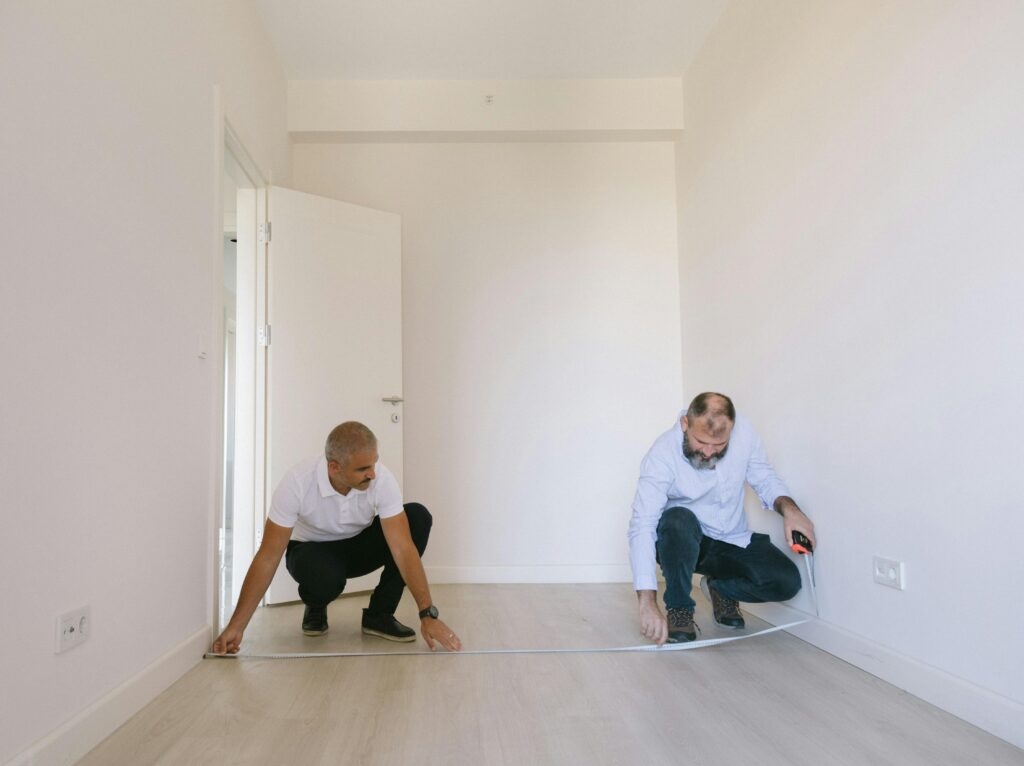
Rent is usually the biggest expense for people living in Madrid.
Here are some approximate prices:
- Room in a shared apartment: Starting at €300 or €450 in more remote areas, and between €450 and €700 in central areas
- Small studio: between €750 and €1,200
- One-bedroom apartment: between €900 and €1,500
Prices vary quite a bit depending on the neighborhood. In outlying areas like Carabanchel, Vallecas, or Vicálvaro, you can find more affordable rooms, while central neighborhoods like Malasaña, Chueca, or Sol tend to have higher prices. As a reference, the average rent for a room in a shared apartment is around 600 € per month.
Furthermore, although these ranges are approximate, theThe lowest prices are becoming harder and harder to find in central areas, where the average price is around 20 €/m².
Many newcomers start out by sharing an apartment while they find stable employment and get to know the city better. In addition to being a more affordable option, it can also help build a sense of community and make them feel supported during their first few months of adjusting to their new surroundings.
Cost of Food and Groceries in Madrid

Another significant expense within the cost of living in Madrid It's the food.
A person can spend approximately between €180 and €350 a month on groceries, between €12 and €18 for a set meal at inexpensive restaurants, and among 2 € and 4 € for a cup of coffee and something to eat.
Supermarkets like Mercadona, Lidl, and Aldi tend to have more affordable prices than other chains. There are also Latin American markets and stores where many people find products that remind them of the flavors of home.
Because sometimes, something as simple as cooking a familiar recipe can make a new place feel a little more familiar.
How much does transportation cost in Madrid?
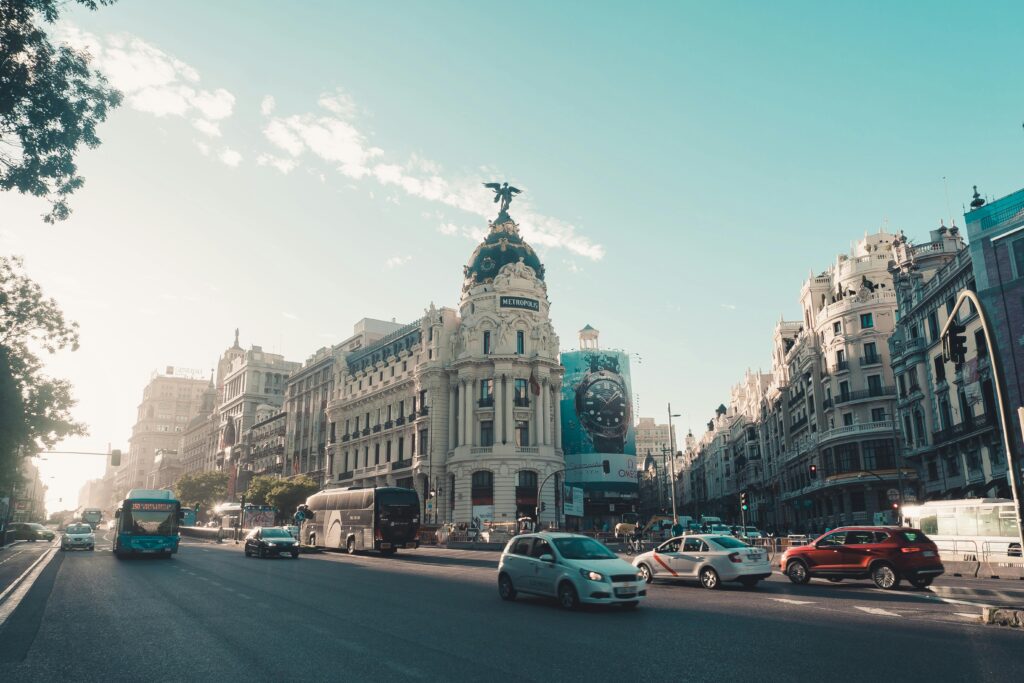
Madrid has a fairly extensive and well-connected public transportation network.
The price depends on the area and the type of subscription. For reference, the Youth Pass, for people ages 15 to 25, costs €10 per month with the discount in effect in 2026. For people aged 26 to 64, the Standard Pass for Zone A costs €32.70 per month with the 40% discount, although the full price without the discount is €54.60. In outer zones, the price increases: for example, €38.20 in Zone B1 and €43.20 in Zone B2.
As for single-ride tickets, metro fares range from €1.50 to €2 depending on the number of stations; a single-ride EMT bus ticket costs €1.50; and commuter train fares start at approximately €1.70.
Many people use public transportation every day to get to work, go to school, or travel between different parts of the city. Living near a subway or commuter rail station can help you save time and money in the long run.
Basic Monthly Living Expenses

In addition to rent and food, there are other regular expenses things to keep in mind when calculating how much you need to live in Madrid.
For example:
- Internet and cell phone: between €30 and €60
- Electricity, Water, and Gas: between €70 and €150
- Gym: starting at 25 €
- Leisure and Outings: It depends a lot on your lifestyle
In total, a person may need approximately:
- Between €900 and €1,400 per month with one room rented out
- Between €1,500 and €2,200 living alone
These figures can vary quite a bit, but they serve as a reference for creating a more realistic budget.
How much money does it take to live?

There is no single answer, because every situation is different. However, many people believe that to live comfortably in Madrid, it is advisable to have a stable income that allows you to cover housing, food, transportation, basic daily expenses, and possible unexpected expenses.
For reference, the The minimum wage in 2026 is €1,221 gross per month, paid in 14 installments. This information can help put the numbers into perspective: if a person needs between €900 and €1,400 a month while sharing a home, living in Madrid on a salary close to the minimum wage can be a tight squeeze, especially if they have to cover initial expenses, send money to family members, or deal with unexpected expenses.
It's also important to have some savings for the first few months, especially if you're still looking for a job or adjusting to a new routine.
Migrating involves making many financial decisions all at once. And while the numbers can sometimes cause uncertainty, they’re also part of something much bigger: creating opportunities, moving forward, and continuing to care for those back home.
Tips for Saving Money in Madrid
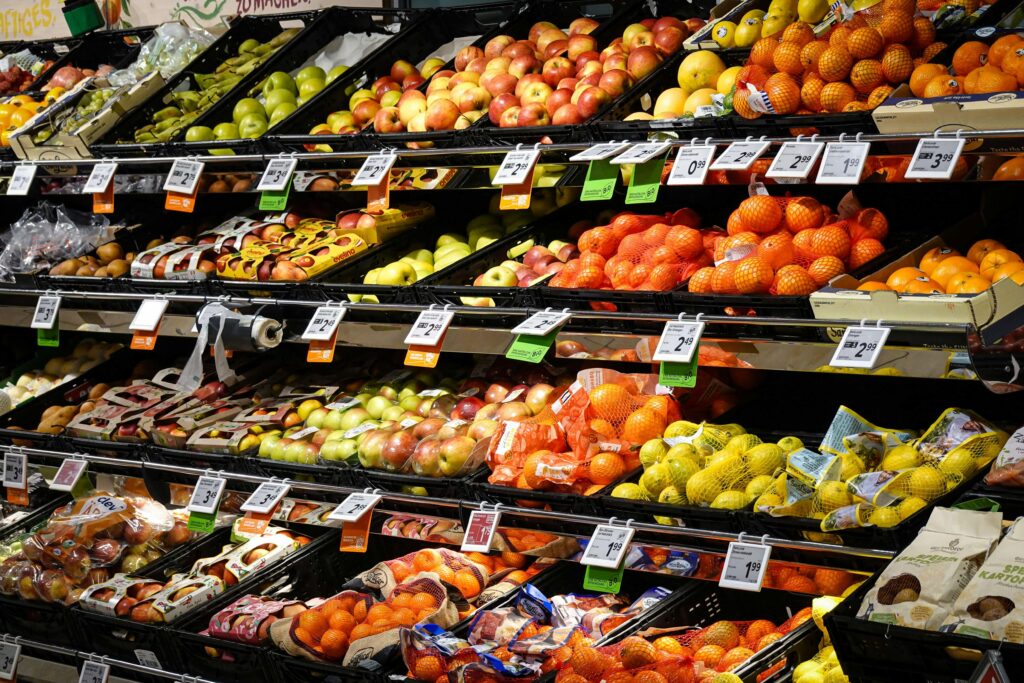
It takes time to adjust to the cost of living in a new city. But there are small decisions you can make to help you better manage your expenses from the start.
Here are some helpful tips:
- Find housing options that fit your initial budget
- Use transit passes
- Compare supermarket prices
- Search for housing outside the city center
- Planning a Monthly Budget
Over time, many people find their own balance between work, stability, and quality of life.
Because living in Madrid isn't just about arriving in a new city. It also means learning to build a home away from home, while still maintaining connections, dreams, and the people who matter to you back home. That's why, if you need send money to your family or loved ones, it’s also a good idea to check the fees, exchange rate, and terms of each transfer before sending money. Small differences can help you save money and ensure that more money reaches those who need it most.
Sources Consulted
- Madrid Transit Passes 2026: Community of Madrid and Madrid Regional Transportation Consortium (CRTM), information on the Youth Pass, Standard Zone A Pass, and discounts available for public transportation.
- Rentals in Madrid 2026: Idealista, Uniplaces, and other rental websites, with information on room prices, rents by neighborhood, and average price per square meter.
- 2026 Minimum Wage: BOE / SEPE, official information on the current minimum wage in Spain.