


When you move abroad, many things change: the country, your routines, your job, and the way you interact with those around you. But there are other things that come along with you.
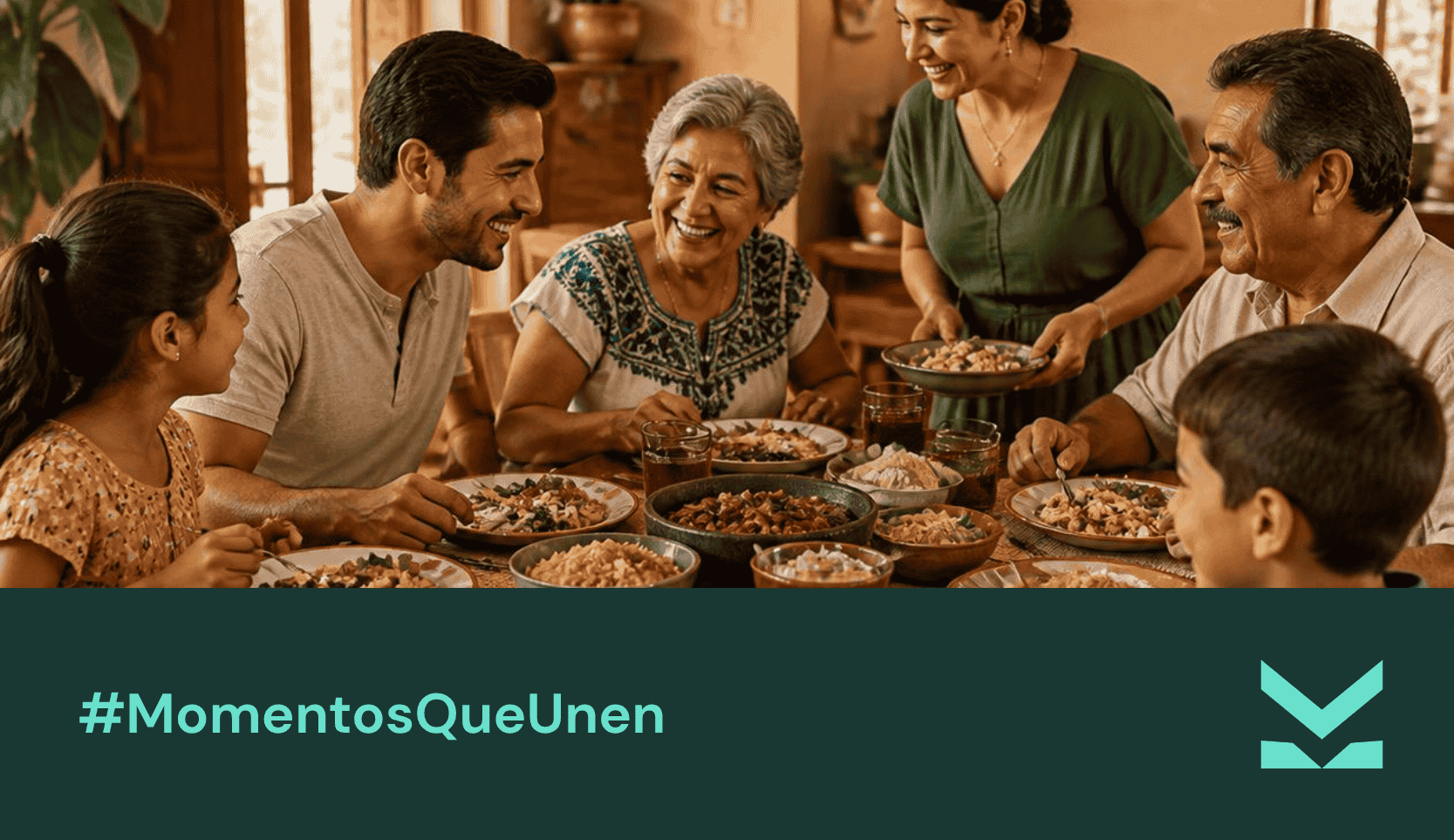
A song you recognize instantly. A recipe that reminds you of your childhood. A phrase you use without even realizing it, or a get-together that starts with a cup of coffee and goes on for hours.
For many Latinos in Europe, these traditions are a way to maintain a connection to their homeland while building a new life. But they can also become something more: a way to meet other people, share experiences, and build a sense of community.
Because Traditions aren't museum pieces: they travel with us, change, and blend with everything new we encounter along the way.
What We Hold Onto: Small Traditions That Connect Us to Home
There are flavors, sounds, and expressions that stay with us even when we're thousands of kilometers away from our home country.
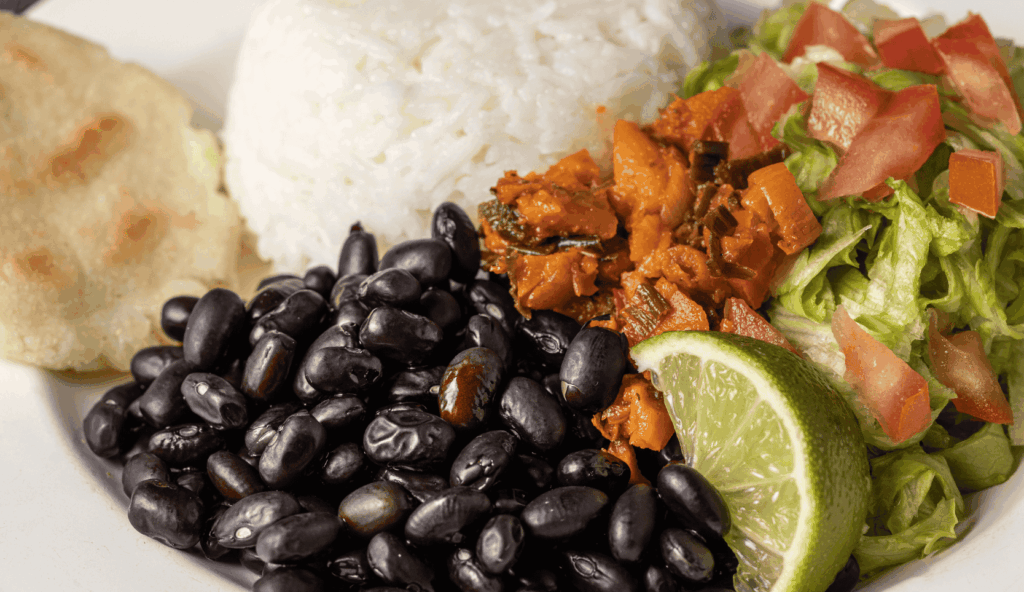
Making Venezuelan arepas, Argentine empanadas, Peruvian ceviche, or Mexican tacos can be about much more than just cooking. Sometimes, it’s about rekindling a family memory, reviving a childhood tradition, or sharing a part of our history with someone.
The same is true of music, celebrations, and the ways we come together. A familiar song, a Sunday meal, or a video call on a special occasion can help us keep the people and places that are part of our lives close to our hearts.
We can't always carry on these traditions exactly as we used to. Maybe we're missing some ingredients, the schedules have changed, or the family is scattered across several countries. However, adapting them is also a way to keep them alive.
What We Share: Traditions That Build Community
Traditions can also serve as a common ground.
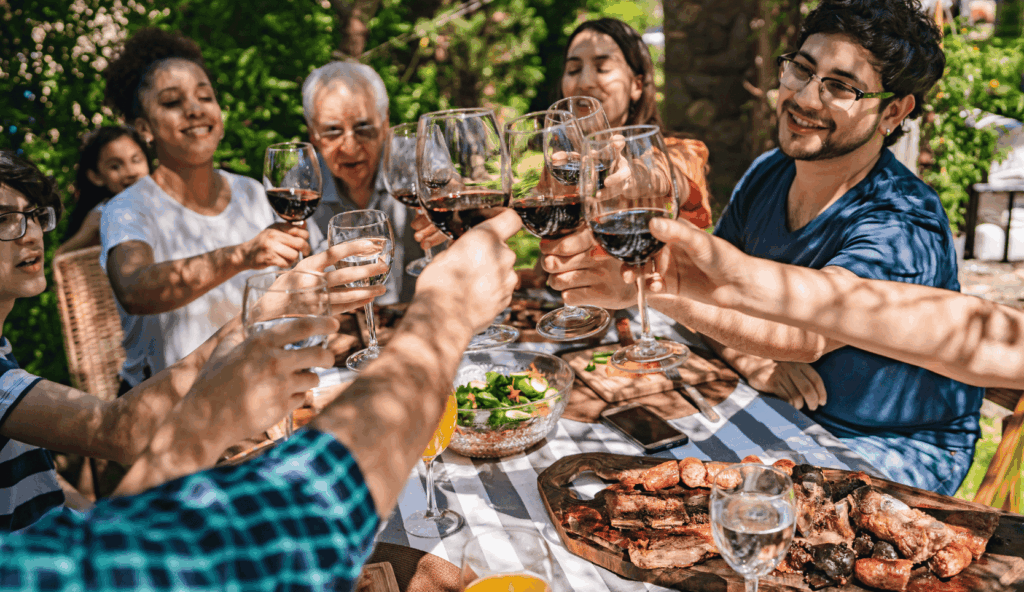
A meal at home, a celebration, a concert, or a conversation about music can bring people who barely know each other closer together. Sometimes, a recommendation on where to buy a Latin American product is all it takes to start a conversation that leads to friendship.
In Europe, these encounters can take place at gatherings of fellow countrymen, cultural associations, neighborhood stores, festivals, or groups organized through social media.
And you don’t have to share the same nationality to be part of them. A Spanish person might discover Colombian cuisine through a coworker; someone from Peru might learn a Venezuelan recipe from a friend; and a group of friends from different countries might end up celebrating together a tradition that was previously unfamiliar to them.
In this way, customs cease to be merely memories of a place and become shared experiences as well.
What We Bring to the Table: An Evolving Identity
Emigrating also means discovering other ways of life.
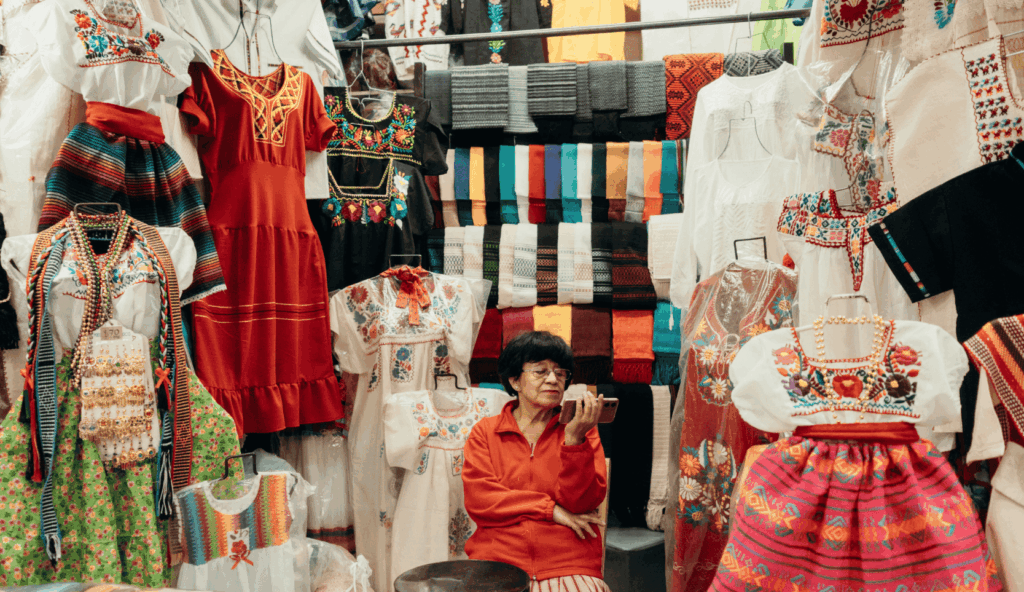
You can continue to cook the recipes you grew up with and, at the same time, try new dishes. You can keep celebrating your country's traditions and take part in local festivals. You can hold on to your own ways of expressing yourself while incorporating words and customs from the place where you live.
This blending does not necessarily mean that one culture replaces another.
Furthermore, speaking of the Latino community as if it were homogeneous would overlook a significant part of its richness. Latin America is home to a wide variety of countries, histories, and traditions: the customs of Venezuela are not the same as those of Argentina, nor are those of Mexico identical to those of Peru.
Each person experiences that connection to their roots differently. Some maintain many of their traditions; others quickly adopt new customs; and many combine the two over time.
For families who emigrate with children, this exchange can also be part of everyday life. Sharing recipes, music, family stories, or celebrations helps pass on cultural references while the children build their own experiences in Europe.
What We Transform: Traditions Evolve, Too
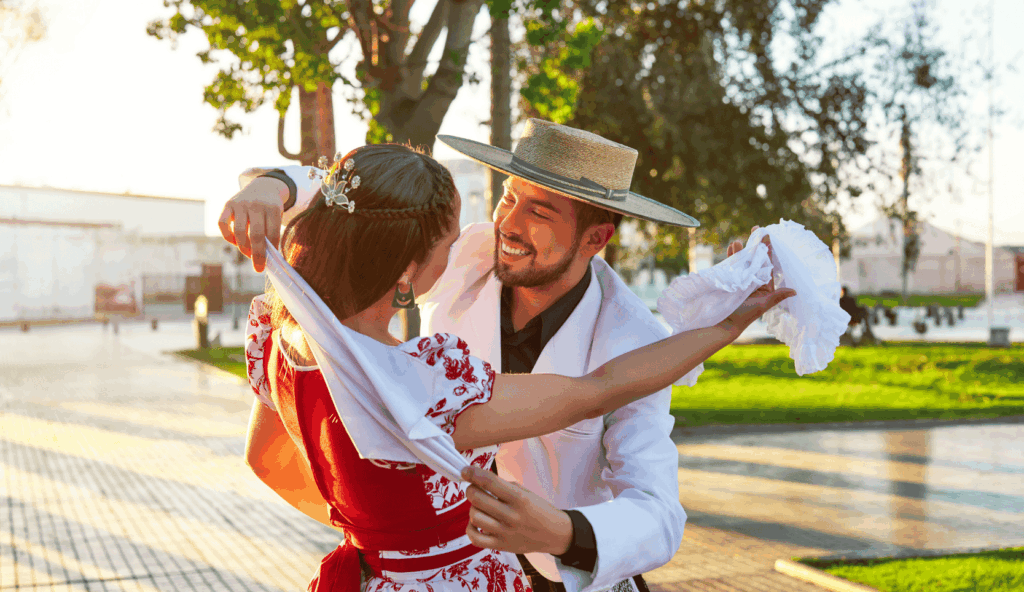
Maybe you used to celebrate Christmas with your whole family, and now you're preparing a dinner with friends. Perhaps a family recipe calls for different ingredients because you can't find the original ones. Or maybe a song you used to listen to at home is now playing at a gathering with people from various countries.
The custom still exists, but its setting and meaning have changed.
And that’s one of the most interesting aspects of emigrating: discovering that we don’t have to choose between who we were and what we’re building. We can maintain ties to our roots, embrace new points of reference, and create traditions that didn’t exist before.
Social media also makes this process easier. It allows people to share recipes, find specialty shops, discover events, and connect with communities of people who live in the same city. Sometimes, a virtual encounter turns into an in-person meeting or a new friendship.
Over time, those experiences become part of our history. Culture does not remain unchanged because we, as people, do not remain the same either: we carry it with us, adapt it, and share it.
How Our Customs Can Bring Us Closer to Others
You don't have to organize a big event to start building connections. You can invite someone to try a recipe from your country, attend a cultural celebration, explore a Latin American market, or take part in a neighborhood activity.
You might also be interested in the customs of those around you. Sharing a tradition isn't just about showcasing your own—it's also about listening, asking questions, and discovering other ways of life.
Sometimes, those little interactions are the start of something more: a friendship, a group of people with shared interests, or a support network that makes a new city start to feel more familiar.
Because communities aren't built solely by sharing a place. They also grow through the experiences, memories, and customs that people share.

Curiara: Maintaining Connections While Building Something New
Emigrating doesn't mean leaving behind everything that connects us to home. We can maintain those ties while forming new relationships and making the place we've come to our own.
At Curiara We believe that this connection is part of the life of a migrant: staying close to our loved ones while also making room for all the new things that lie ahead.
Because traditions travel with us. And every time we share them, we also create something new.
Sources
- Organization of Ibero-American States (OEI). Culture.
- UNESCO. Convention on the Protection and Promotion of the Diversity of Cultural Expressions.
- Curiara. Sending money means saying, “I’m with you, even if I’m far away.”.