
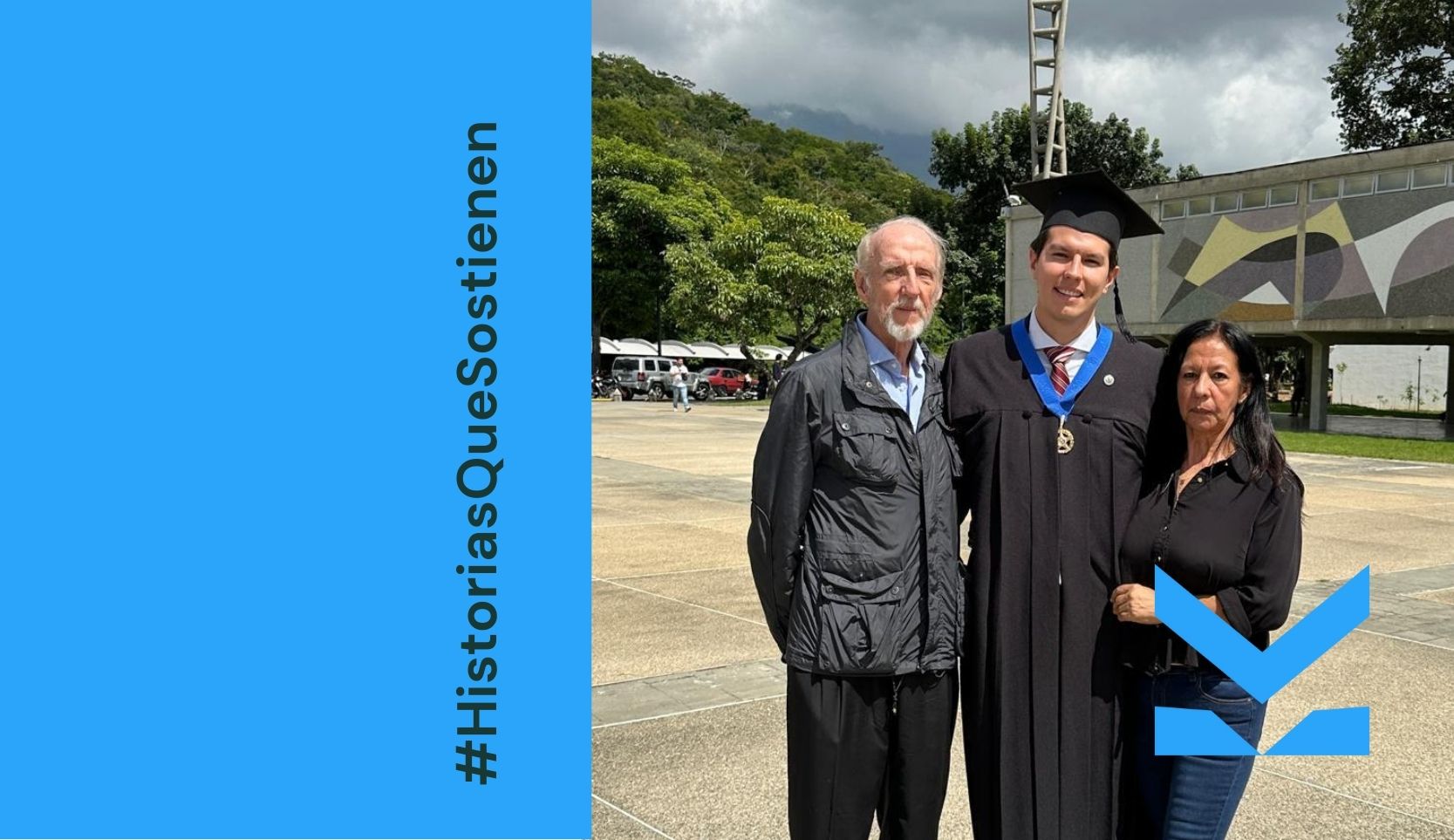
«When I left Caracas, I had just a suitcase, a couple of dreams and a certainty that followed me like a shadow: if I wanted to have a future, I had to leave. It was not a pretty decision, nor a heroic or romantic one. It was a survival decision. I knew that in my country, no matter how much talent, studies or desire I had, there was an invisible limit capable of taking everything away from you from one day to the next.
Going out was my first act of bravery.
But it was not the most difficult.
My journey began in Italy, then France, then Germany and Switzerland. Cities where I felt small, as if I were walking among giants. Each country was a new beginning: learning the language, understanding the culture, proving my worth, convincing the world that I too deserved a place. Sometimes I was rejected, sometimes I was mocked for my accent, sometimes I was singled out for being Latin.
But I kept going.
Calmly, with discipline, with dignity.
Resilience became my daily tool. I wore it like others wear a coat. I learned five languages, worked with the rigour of an engineer and the heart of someone who knows what it means to have family far away. And although my professional life was a constant starting over, the hardest part was never outside.
The hardest thing was the telephone.
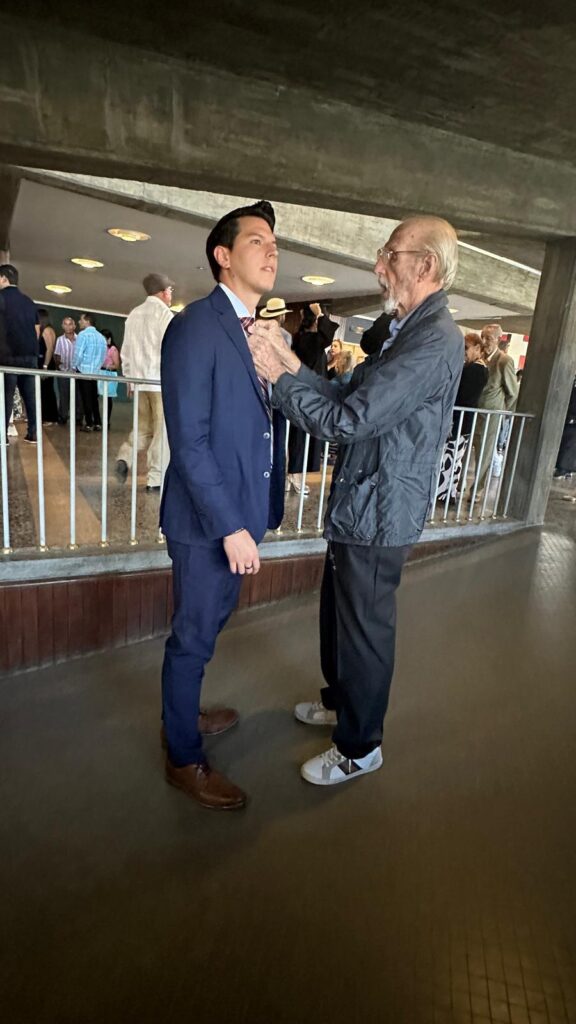
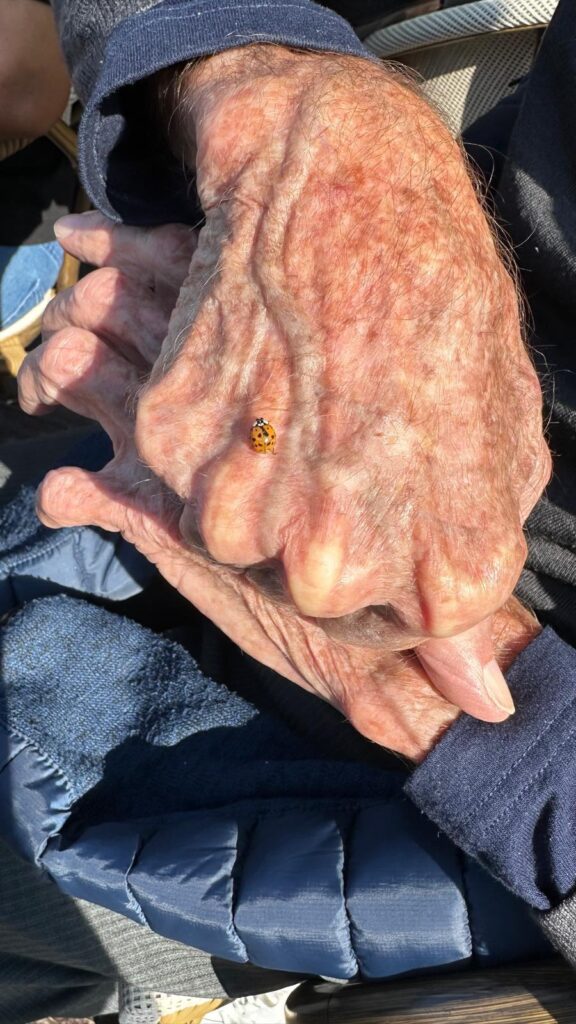
My dad, 82 years old and the silent burden of cancer.
My mum, 64, always strong, always sweet, but tired.
Neither of them work. Both depend solely on me.
Every month I send money. I don't call it “remittance”. For me it's just giving them the least I can, when I want to give them everything.
And here comes my bravest act, the one that hardly anyone sees:
having to smile when inside everything hurt.
I smiled to make them believe that everything was fine. So they wouldn't feel guilt. So that they wouldn't feel anguish. So that they would not try to help me when they could not. I smiled, even though I was afraid too, even though I was alone sometimes, even though some nights I cried silently.
But migration also taught me something beautiful. It taught me that struggle is not only pain: it is also strength. That you can rebuild yourself as many times as necessary. That, if you walk with resilience, one day you will look back and understand that yes, you made it. With your backbone, without asking for anything for free, without stepping on anyone's toes, without betraying who you are.
Today I live far away, yes, but I am still my family's breadwinner, their support, their peace of mind. Every morning, what drives me is not the work or the routine, nor the cold of the countries where I have lived. What drives me is the thought of calling my parents and hearing their laughter. Knowing that they are well because I am still fighting. Knowing that all these steps make sense.
That's why I want to come back.
Not to rest.
Not to flee.
But to embrace them at last, to be by their side, to give them back with my presence all that they gave me with their love.
My story is that of a migrant who fell, got up, fell again; who learned languages, who suffered racism, who was cold, who worked harder than many and who never took the easy way out. It is the story of someone who learned to be brave in silence.
And that today, with his heart in his hand, he only wants to return home to smile... and to share a real smile with his parents."
Konrad Stegemann.
Stories like this remind us why in Curiara we understand migration as a profound act of daily courage. Behind every monthly shipment, every call that ends in a forced smile, are people who support their families as they learn to support themselves in new countries, foreign languages and harsh climates.
Sending money, in these cases, is not a transaction: it is a way of being present when the body cannot be, of protecting those we love even when everything hurts. At Curiara we accompany these silent trajectories, made of resilience, dignity and constant love, because we know that every gesture of support has a story like this one behind it: that of someone who learned to be brave without making noise, and who never stopped caring, even from afar.