
There’s an entire generation that remembers standing in line at the post office. The handwritten form, the tracking number on a folded piece of paper, the days-long wait to find out if the money had arrived. For many Latin American families, the money order was, for decades, the only possible link between here and there.
Today, the world has changed. But the question remains the same: What's the best way to send money to the people you love most? Understanding what a money order is, how it works, and what alternatives are available is the first step toward making that decision based on accurate information.
What is a money order?
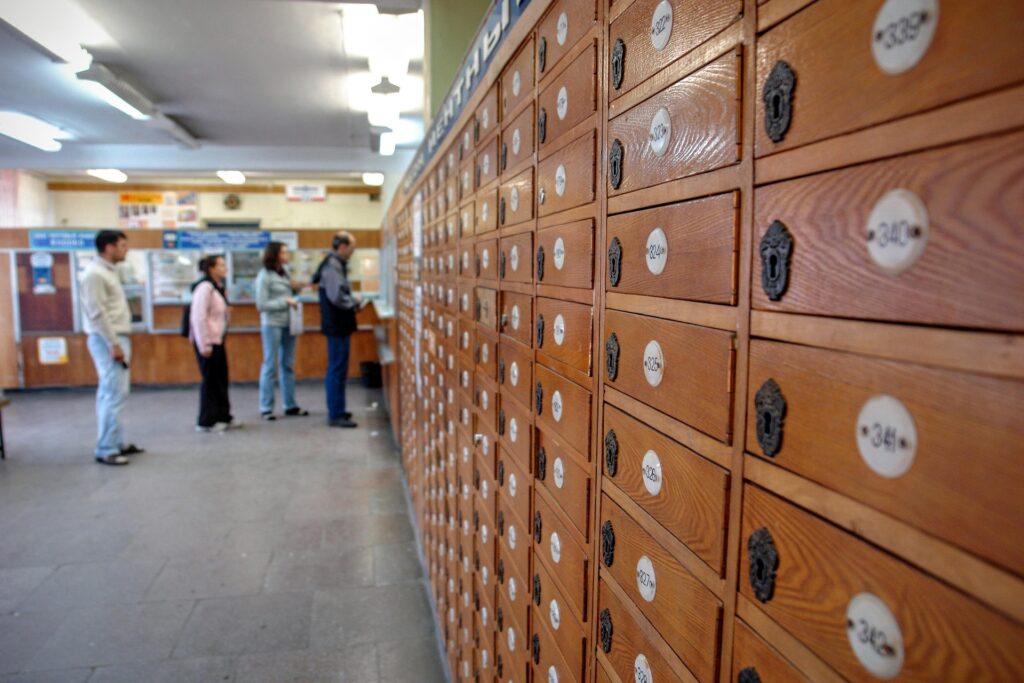
A money order is a physical payment instrument which allows money to be sent from one person to another through a post office or an authorized institution. It works like a prepaid check, since the sender pays the amount plus a fee, and the recipient can cash it at the designated pickup location.
This method has a history dating back decades. In Spain, money orders through Correos were introduced in 1909, and for much of the 20th century, they were the most common way to send money both within the country and abroad. Their main historical advantage was that did not require a bank account neither the sender nor the recipient, which made it accessible to everyone regardless of their financial situation.
How a Money Order Works, Step by Step

The process varies slightly depending on the carrier, but in general, it works like this:
Step 1: Go to the office
A traditional money order is a process that must be done in person. You must go to a post office or authorized location with the cash and the recipient's information.
Step 2: Fill out the form
You must provide the amount, the destination currency (if the transfer is international), the recipient's full name and address, and the sender's information. You must present a valid form of identification.
Step 3: Pay the amount and the fee
The total cost includes the amount to be sent plus the service fee, which varies depending on the destination and the provider. For domestic money transfers, the flat fee starts at around €2.25 plus a variable fee of 1.50% of the amount. For international transfers, the fixed fee ranges from €4.50 to €6.50 depending on the destination, plus the variable percentage and, in many cases, a marked-up exchange rate that isn’t always clearly shown in the breakdown.
Step 4: Get the tracking number
Once the money order has been issued, you will receive a reference number that the recipient will need to collect the money at a post office in their country.
Step 5: The recipient receives payment
Depending on the destination and the type of money transfer, the funds can be picked up in cash at a branch, deposited into a bank account, or sent to a mailing address. Processing times range from almost immediate receipt of cash to 3 to 5 days for transfers to a bank account.
Types of International Money Orders from Spain
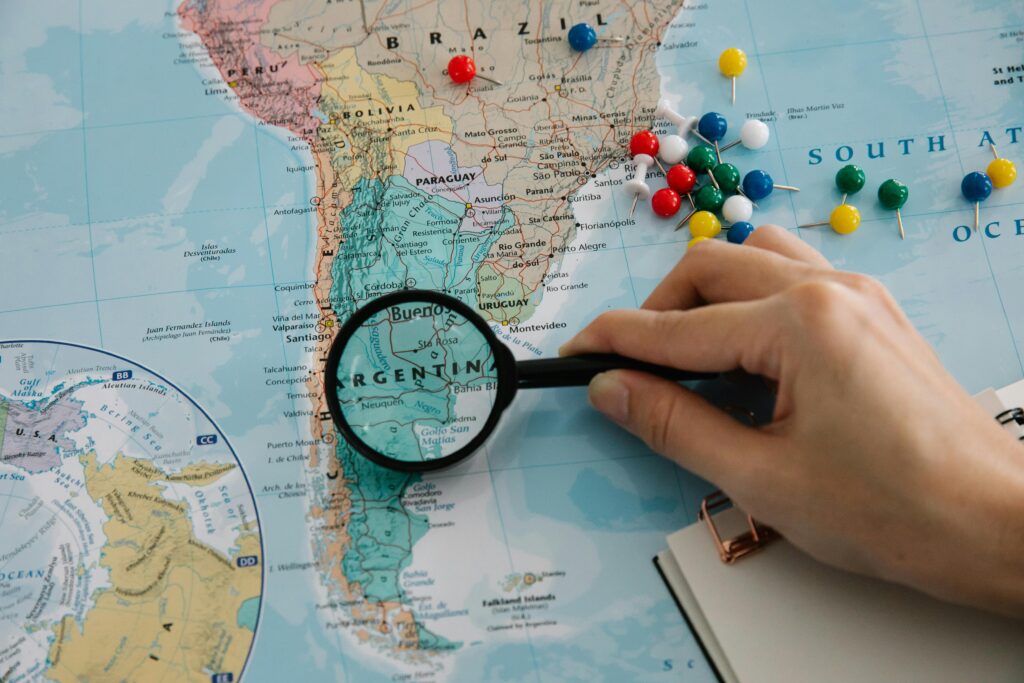
Correos España offers several ways to send money abroad:
- Eurogiro: Available for shipping to more than 46 countries, mainly in Europe, though it also includes destinations such as Morocco and Turkey. If the shipping cost is not in euros, a specific exchange rate is applied, which may include a surcharge.
- IFS (International Express) Money Transfer: A shorter list of countries, with destinations primarily in Latin America, such as Chile, Colombia, Peru, the Dominican Republic, Ecuador, Argentina, and Uruguay. The transaction limit is €2,499.99. It is important to know that Venezuela is not included in any of these categories, which means that traditional money orders are not a viable option for those sending money to that destination from Spain.
- Western Union through the Post Office: It allows for almost immediate cash transfers to virtually any country in the world, including Venezuela. It offers the widest coverage, although you should carefully check the exchange rate applied, as it may differ significantly from the actual market exchange rate.
One important point is that It is not possible to send international money orders online through Correos. The entire process must be completed in person at a post office, which poses a real obstacle for those who work split shifts or live far from a post office.
Advantages and Limitations of Money Orders

Like any method of sending money, money orders have their advantages and limitations. It's helpful to know what they are before making a decision.
What it has going for it:
- Does not require the recipient to have a bank account
- It is a regulated and safe method
- It has enjoyed institutional support for decades
Things to keep in mind:
- This is a procedure that can only be completed in person; there is no online option.
- The transaction limit is €2,499.99
- Transfers to an account may take several days
- The exchange rate for international shipments may include a surcharge that isn't always visible
- Fees may be higher than those on modern digital platforms
Money Orders vs. Digital Alternatives
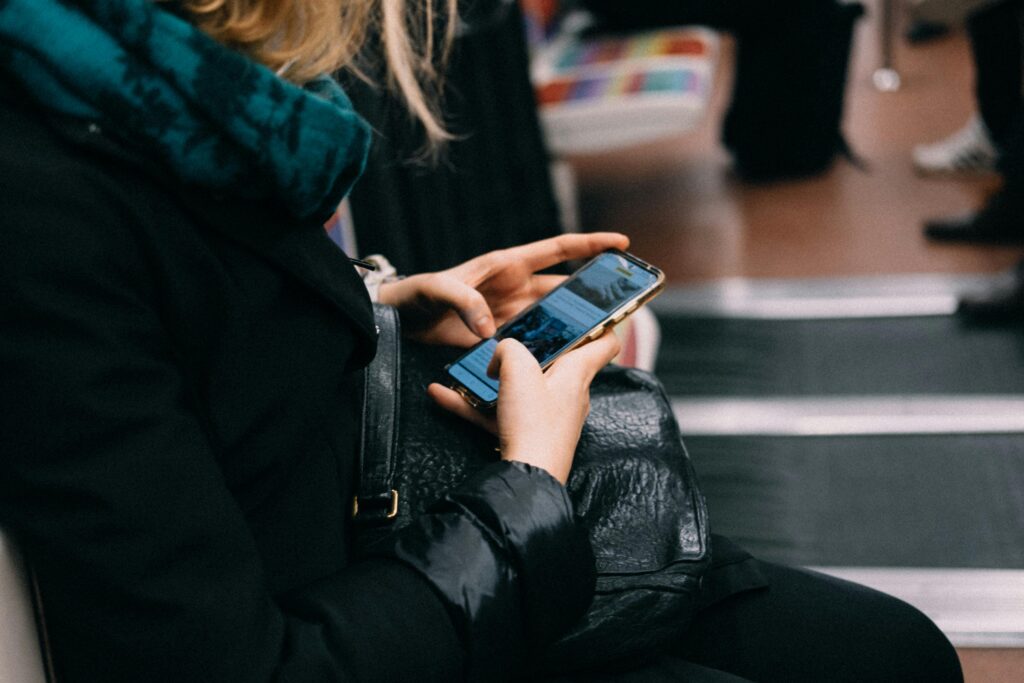
The situation has changed significantly since the postal service was the only option. Today, there are digital platforms that allow you to send money abroad From your phone, in just a few minutes, with transparent fees and competitive exchange rates.
The main difference isn't just in speed or price, but also in everything it means for the person sending the money—such as not having to travel, avoiding lines, and not having to depend on office hours. For someone who works long hours and takes care of their family from afar, that's incredibly valuable.
In practical terms, Digital remittance platforms typically operate without limits as restrictive as the €2,499 limit on money orders, with lower fixed fees and an exchange rate displayed before you confirm the transfer—no surprises at the end of the process. In addition, they allow for real-time tracking, immediate confirmation, and the option to choose how the recipient wants to receive the money: in cash, to a bank account, or to a digital wallet, depending on the country. For destinations like Venezuela, where access to banking services may be limited, this flexibility makes a real difference.
Money orders remain a valid option in very specific cases—for example, when the recipient does not have access to any digital methods, when the destination is not covered by modern platforms, or when, for whatever reason, the physical channel is preferred. However, for most people who regularly send money to Latin America, digital alternatives now offer greater speed, more transparency, and lower costs.
What does it mean to send money when you're away?
Regardless of the method chosen, there is one thing that technology cannot change, and that is the value of the transfer. A remittance It's not just a money transfer—it's also the school tuition paid on time, the medicine that arrives, and the peace of mind that comes from knowing your loved ones are taken care of even when you're on the other side of the ocean.
That's why every cent of commission matters. That's why it's important that it arrives quickly. And that's why it's important that the process be simple, with no surprises and no unnecessary delays.
At Curiara For years, we've been supporting those who care for others from afar. No hidden fees, at the best possible rate and in just a few minutes. Because what you send deserves to arrive intact. And you deserve a tool that lives up to what you do every day.