

The Venezuela's banking calendar in 2026, is much more than a list of public holidays: it is a list of tool that will help you to anticipate and organize your shipments and take care of your family calmly even when you are far away.
Knowing in what dates the Venezuelan banking pauses helps you to avoid surprises, plan your remittances and make sure that the money arrives just when it is needed for food, rent or education for those you love.
In Curiara, we accompany those who support from a distance, and that is why we tell you how to use this calendar as an ally in your immigration and financial process.
Each year, the Superintendency of Banking Sector Institutions (Sudeban) publishes the official calendar with the days on which banks are not open for business to the public, and 2026 is no exception.
Although bank teller windows are closed on these holidays, electronic channels are usually still active, which allows the following to be done applications such as Curiara continue to operate so that your shipments do not stop.
Understanding these dynamics is key if you live in a foreign country and you send money to Venezuela, because anticipating is also a way of caring, of showing that you are present even when you can't be there physically.
What is the banking calendar and who defines it?

The banking calendar is the official list of days in which the financial system The country's banking system modifies its operation, either because of national holidays or because the banking system, by a regulated decision, take days off additional.
As we say in Venezuela, this chronogram is defined by Sudeban, in accordance with the provisions of the Law of the Banking Sector Institutions and in coordination with the Central Bank of Venezuela. (BCV), which also publishes the document with a month-by-month detail.
This means that this is not a suggestion, but a rule that all banks in the country must comply with. National holiday have an impact on branch and teller service, but do not necessarily shut down digital operations completely, which explains why many banks insist that their customers use online banking or ATMs on those days.
For a migrant person living in another country in the Americas and sending money home, the banking calendar becomes a compass: it indicates when to advance a transfer, when it is better to avoid the last business days and how to adjust the dates so that an important payment is not delayed because of a holiday.
How does it work in Venezuela?
According to the official information released, the country's banking system will have around 20 to 22 days The bank will have a rest period during 2026, combining national holidays and bank-only holidays. There are some days that are not executed as holidays because they are weekends, and these already coincide with dates on which the bank closes during its regular hours.
National holidays are dates that the whole country recognizesas New Year or the Labor Day, The banking sector includes mainly religious and traditional celebrations, with only the financial sector taking a break.
In practice, this translates into days on which the offices are not open to the public, The new system is based on the "ATMs", but still provides access to electronic services such as transfers between accounts in the same bank, mobile payments and ATM transactions.
However, many interbank transactions may be reflected on the next business day, so it is important not to leave remittances to the last minute if they coincide with a long weekend or a week with several holidays in a row.
Main national holidays in the banking calendar 2026
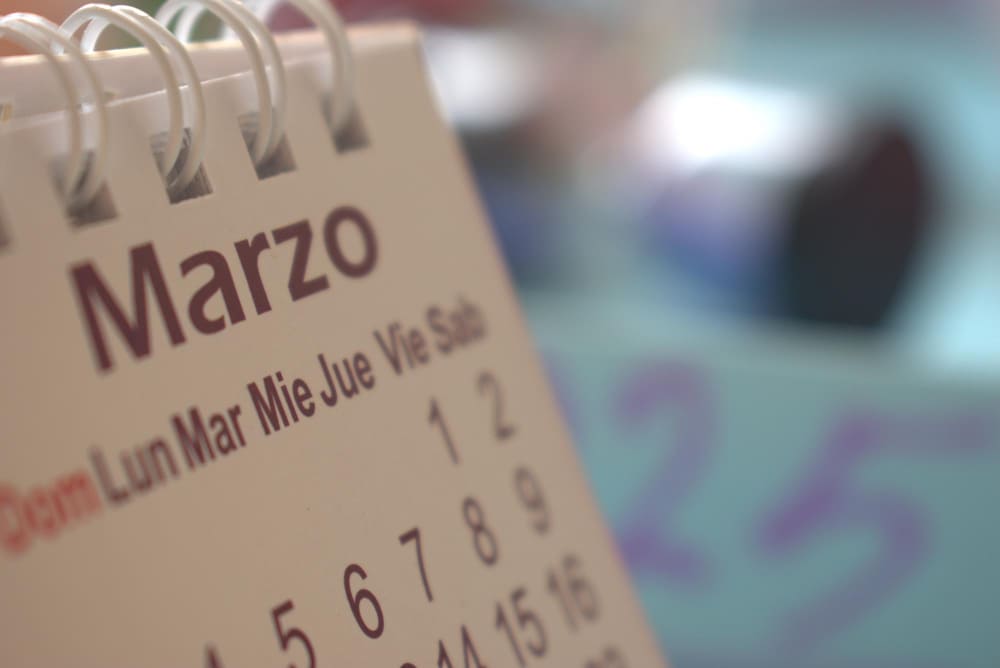
The national holidays included in the Venezuelan banking calendar for 2026 are usually historical and religious dates that are repeated year after year. Some of the most relevant are:
- New Year, on January 1.
- The Carnival days, which in 2026 fall on Monday, February 16 and Tuesday, February 17.
- The central days of Easter, Thursday, April 2 and Friday, April 3.
- The Labor Day, on May 1.
- The Battle of Carabobo, on June 24.
- The Birth of the Liberator, on July 24.
- The Indigenous Resistance Day, on October 12.
- Christmas Eve, on December 24, and Christmas, on December 25.
- December 31, end of the year.
Other days when banks close
In addition to national holidays, the banking calendar Venezuela includes additional days linked to religious celebrations and local traditions, which apply only to the financial sector. Among the most common are:
- Three Kings Day, which is usually moved to a Monday close to January 6.
- Day of the Divina Pastora, January 14, Marian commemoration of great rootedness in the state of Lara.
- St. Joseph's Day, on March 19.
- Lord's Ascension Day, on May 14.
- Corpus Christi, generally on June 8.
- St. Peter and St. Paul's Day, which will be held on June 29.
- Day of the Virgin of Coromoto, Venezuela's patron saint, on September 14.
- José Gregorio Hernández Day, on October 26.
- Day of the Virgin of Chiquinquirá, The Zulia celebration was held in Zulia on November 23rd.
- Immaculate Conception Day, on December 8.
In 2026, these days add up to more than a dozen national holiday, so it is normal to find several Mondays a year with closed offices, even if it is not a national holiday.
Like migrant sending money from another country, you should keep this in mind if your family members are accustomed to going to the bank office in person to withdraw remittances or to make payments for services at the teller window.
Impact on your remittances

The banking calendar directly influences when the money reaches your family's account and the ease with which they can withdraw or move it. On normal business days, interbank transfers in Venezuela follow the local clearing house schedule, while on national holiday these processes are usually deferred until the next business day.
If you send money from another country, it is possible that your international wire transfer will be processed on time at your home bank, but will find a Venezuelan banking system on hold upon arrival., This delays the availability of the money.
That is why it is so useful to have the banking calendar 2026, as it allows you to decide whether to send the shipment the week before a holiday, or if it is better to wait for several days off to avoid the shipment remaining in transit longer than necessary.
Anticipating as a way of caring for your loved ones
Planning your remittances taking into account the banking calendar is a concrete form of care: it shows that you think about the routine of those you love, the days when they pay for school, rent or utilities.
It is not the same for the money to arrive on a working Monday morning, when the banks are open and the lines are quieter, as it is for it to be credited on a Friday before a long weekend, when your relatives may not be able to withdraw what they need in time.
A strategy useful is mark in your own calendar digital (on your cell phone or email) the main national holiday in Venezuela, and set reminders a few days in advance to check if you need to make an extra shipment or bring forward the one you had already planned.
If you are in another country in the Americas, remember to also add your own local holidays, such as Thanksgiving in the United States or national holidays elsewhere, as they may affect your home bank's schedules.
Curiara in the face of the banking calendar: continue to hold on no matter what happens

Something that differentiates Curiara is that its service is designed to accompany the migrant community even when the banking system in their home country is closed for holidays.
This means that, although the banking calendar 2026 establish days off in Venezuela, you can continue to send money from any country, confident that your transfer will move forward as soon as the banking system allows it. In this way, the tool adapts to your migrant lifestyle, not the other way around.
Therefore, anticipating, knowing the calendar and using a platform that understands the reality of the migrant community are three pieces that complement each other.