
At Curiara, we know that every remittance you send is much more than just money; it’s a little piece of your hard work, a distant embrace, a promise that you’re still there for your loved ones. But have you ever wondered what’s the best way to ensure your support reaches its destination? Today we’re going to talk about What types of remittances are there?, not from the coldness of bank statements, but from the hearts of those who send and receive, so that you may always choose the best way to build your bridge.
Remittances: Between Individuals and Between Businesses

Broadly speaking, we can classify remittances as either outbound or inbound. It's all a matter of perspective. The outgoing remittance is the one issued by the sender, the incoming, the remittance is for the recipient.
Remittances are also classified based on who sends and receives them. There are the money transfers between companies and/or professionals, to make multiple collections or payments in a single transaction, and the remittances commercial, for international buying and selling transactions. But our hearts are with others—the ones that truly make a difference in the lives of those we care about: the money transfers between individuals.
But What is a remittance? between individuals and why it's so important: it's money that a person sends from abroad to their family or friends in their home country, and whose main purpose is to provide for or support loved ones. It is in these family remittances where the essence of Curiara lies—in that invisible bond that connects homes thousands of kilometers apart.
Types of shipments by shipping method
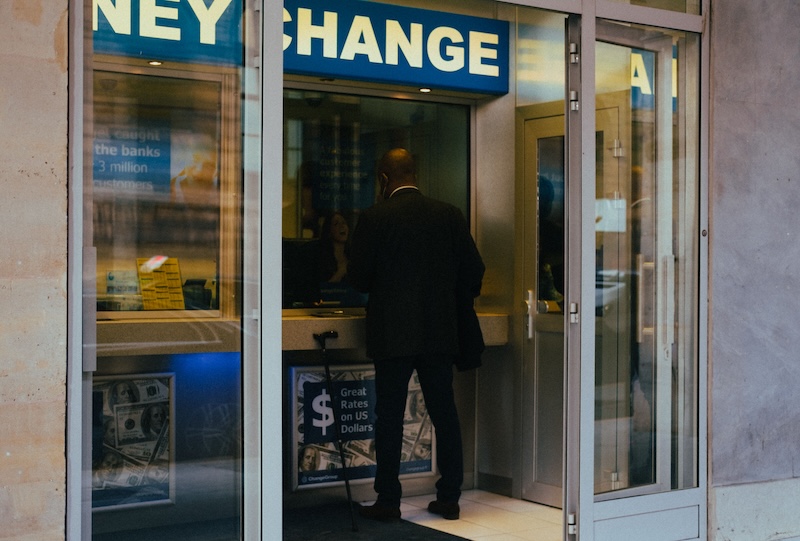
How long does it take for a money transfer to arrive? The the way money moves It can vary greatly. The choice depends on urgency, cost, convenience, and, of course, the available technology.
1. Traditional bank transfers. These are the transfers made through traditional banks. They involve direct international transfers from one account to another. They are generally safe and reliable for large amounts, but they are often slower, with higher fees and less favorable exchange rates than other methods of sending remittances. In addition, they require both the sender and the recipient to have bank accounts and, in some cases, to visit a branch.
2. Operators specializing in transfers such as Western Union, which began as a telegraph company, They allow you to send money to be picked up in cash at a branch in the destination country. They make it quick to pick up cash in many locations. However, fees can be high, and exchange rates aren't always the most competitive.
3. Digital money transfers via an app or online platform. Today, apps and platforms like Curiara have revolutionized the way we send money. They’re fast (often instant), transparent about their fees and exchange rates, and very convenient to use from anywhere with a mobile device. They offer flexibility, allowing money to be sent directly to a bank account or, in some cases, to a mobile wallet or for cash pickup.
How did remittances come about?
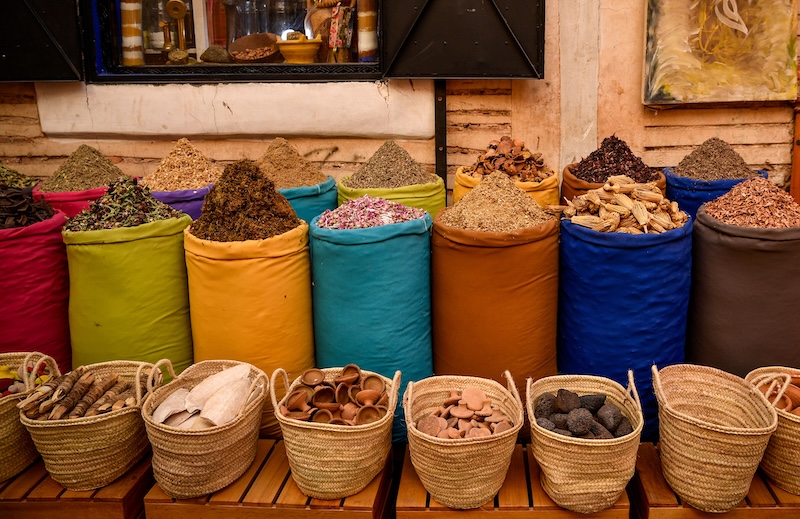
The need to transfer funds arose almost simultaneously with the emergence of money, which was created to overcome the limitations of barter. The hawala It is an ancient system for transferring money through intermediaries (the customer gives it to a hawaladar which in turn passes it on to a hawaladar from another country through a chain of trust that ends with the funds reaching their destination).
To mitigate the risks of informal remittances, were born formal money transfer systems. Money transfers via mobile apps are the next step in the evolution of made through banks and operators specializing in money transfers.
Bank transfers are like certified letters: secure, but they take a long time to arrive. Money transfers via apps, on the other hand, are like an instant message of love. They were created to simplify this process and make it more accessible. While it’s true that they require internet access and, at times, some familiarity with technology, They typically offer fairer exchange rates and lower fees, which means more money reaches your loved ones. Plus, they give you the convenience of sending money 24/7—from your couch or while you’re at work—without having to go anywhere.
How Money Transfers Work Through an App

Curiara is a clear example of how technology can be put to work to serve love and need. Our goal is to Send money to Venezuela from Spain ...as simple and transparent as a hug. How do we do that?
1. Easy registration. You can create your account on the Curiara app in just a few minutes, using the basic information needed to ensure your security.
2. Choose who you want to send it to. Select the recipient and the amount you want to send. The app will clearly show you the exchange rate and the fee—no surprises.
3. Payment method. Link your debit or credit card, or your bank account in Spain.
4. Fast shipping. Confirm the transaction. Within a few minutes (or up to 24 hours, depending on the destination and the receiving bank), the money will be available in your loved one's bank account.
Other apps like Remitly and WorldRemit also offer similar services, aiming to make these transfers easier. But at Curiara, we go one step further: we understand that behind every transaction there is a story, a family, and a dream. That’s why we strive to offer you not only an efficient service, but also the peace of mind that comes from knowing your support arrives with the warmth and security it deserves.
Choosing the right type of money transfer means choosing peace of mind, efficiency, and the certainty that your support will arrive on time. Because at Curiara, we want you to continue being that pillar of strength for your family, no matter the distance. And we understand that, sometimes, the money you send home changes everything.
Sources consulted
- Banco Azteca: What Are Remittances? Learn All About Them
- BBVA: Simple Wire Transfer and Documentary Wire Transfer
- Wikipedia: Hawala
- World Migration Report 2024: Chapter 2. Migration and Migrants: A Global Overview: International Remittances