
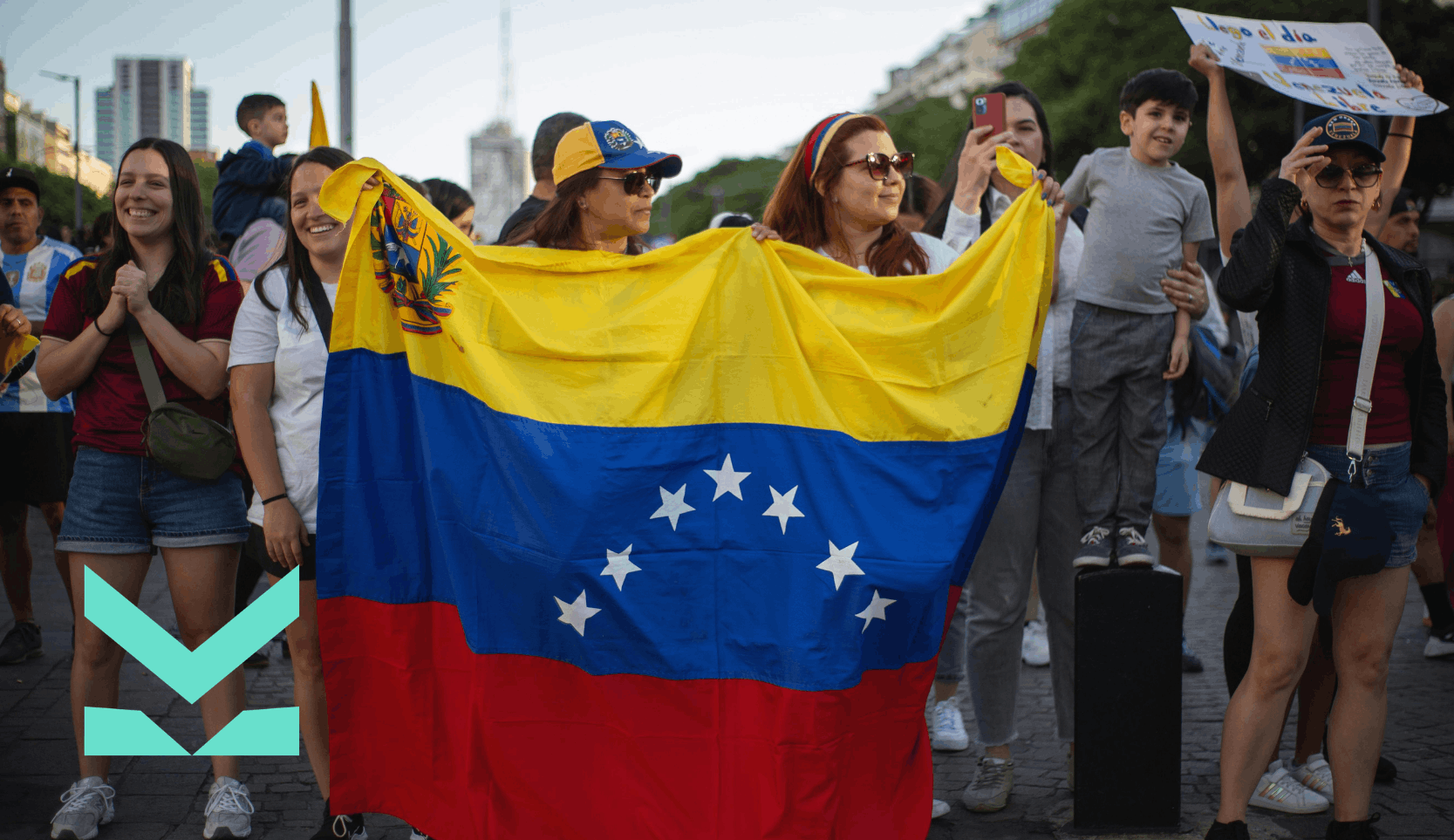
Years ago, Spain became one of the main destinations for the Venezuelan diaspora. Not only because of the shared language or historical ties, but because many found here what they had been searching for: stability, a future, and the chance to remain true to themselves. Today, Venezuelans in Spain are more than just a statistic. They are a community that works, builds, and sustains two worlds at once.
How many Venezuelans are there in Spain, according to official data?
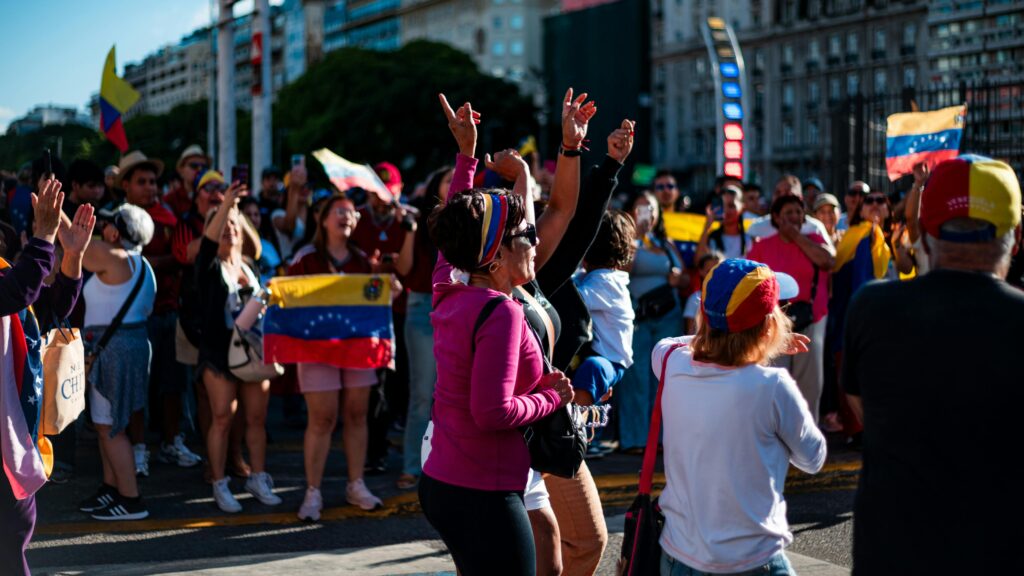
According to the National Institute of Statistics (INE), as of January 2024, there were 325,254 people with Venezuelan citizenship registered in Spain. This figure represents only those who hold exclusively Venezuelan citizenship. If we include those born in Venezuela who have obtained a second citizenship, many of whom hold Spanish passports; the total number of residents of Venezuelan origin amounts to about 600,000 people.
Growth has been steady and significant: in 2014, the INE recorded just 40,517 Venezuelans in the country. In a decade, the community grew eightfold. Globally, the Venezuelan diaspora reached 7.89 million people in 2024, according to the IOM and UNHCR, making it the second-largest human displacement in the world.
In which cities do the most Venezuelans live in Spain?

The Venezuelan community is concentrated mainly in large cities, following the typical pattern of migration flows toward areas with greater job opportunities and services.
Madrid It is the city with the largest Venezuelan population in Spain. The capital is home to the majority of the community, with neighborhoods such as Carabanchel, Vallecas, and Usera, where the Latin American—and Venezuelan in particular—presence is especially notable. Barcelona It is the second-largest population center, followed by other cities such as Valencia, Seville, Málaga, and Alicante, which have seen their Venezuelan communities grow significantly in recent years, especially along the Mediterranean coast.
An active and well-established community

Beyond the numbers, there are statistics that tell a different story. According to the Ministry of Inclusion, Social Security, and Migration, in 2024 there were 164,478 Venezuelans enrolled in Social Security, making Venezuela the second-largest group of foreign nationals contributing to the social security system in Spain. This is a community that works, pays social security contributions, and actively contributes to the economy of the country that has welcomed them. The demographic is predominantly young: 76.7% of Venezuelans in Spain are between the ages of 26 and 65. And their educational level is high: more than 5,000 Venezuelan doctors and more than 7,000 Venezuelan engineers practice or have practiced their profession in Spain. However, many professionals still need to complete the processes for recognition of degrees in Spain so they can fully practice their profession or gain access to better job opportunities, especially in regulated fields such as medicine, engineering, or education.
Those who are here and those who are on the other side
Each of those 600,000 names in the INE registry represents someone who has never stopped thinking about Venezuela. Someone who calls, who sends messages, and who, from afar, keeps alive what matters most.
Because building a life here and continuing to care for those who are there are not separate things. They are the same decision, made every day. In Curiara We understand that well. We're part of this community, and we've been helping to every remittance arrives on time, in full, and without fees hidden. Because those who care for others from afar deserve a tool that also takes care of them.
Sources Consulted
- Venezuelan Population in Spain: INE, Continuous Population Statistics (ECP), data on the resident population by nationality and country of birth.
- Recent Migration Flows to Spain: INE, Statistics on Migration and Changes of Residence (EMCR), 2024.
- Global Venezuelan Diaspora: R4V Platform / UNHCR-IOM, Update on Refugees and Migrants from Venezuela.
- Employment Registration in Spain: Ministry of Inclusion, Social Security, and Migration; statistics on foreign Social Security enrollees by nationality.