

Migrating is an act of immense courage, a journey undertaken with an eye toward the progress and well-being of our loved ones. That journey, filled with hope, is often also a solitary one—a constant effort to sustain two lives at the same time. Have you ever felt an invisible exhaustion, a constant pressure weighing on your soul and body, even though at first glance everything seems to be going well? You might be suffering from Ulysses Syndrome.
At Curiara, we understand that every migrant’s story is unique, even though many share the same driving force: the unwavering desire to provide for those we love. Sometimes, that drive can push us to our limits. Imagine you’re Odysseus, the Greek hero. Your journey is full of obstacles, monsters, and longing for what you left behind. For you, that odyssey isn’t a myth—it’s your everyday reality. Psychiatrist Joseba Achotegui, a professor at the University of Barcelona, gave a name to what you’re feeling: the Chronic Multiple Stress Immigrant Syndrome, or Ulysses Syndrome. In this article, we aim to help you understand this and offer ways to keep moving forward with resilience.
Ulysses Syndrome: Naming the Silent Struggle of Migration

Ulysses Syndrome is not a disease, but rather the natural and courageous response of a resilient spirit in the face of extreme losses and the challenges posed by life far from home. We’re not talking about a medical diagnosis that labels you, but rather a way to describe that accumulation of feelings that arise when migration demands more from you than you thought you could give. It is your mind and body’s response to «extreme migratory grief»—a series of losses that, though invisible, cause pain and weigh heavily on you.
Achotegui describes Seven matches: because of family, language, homeland, culture, the loss of social status, and contact with our own people, and because of the risks involved in the migratory journey, which sometimes takes place under extreme circumstances.
Grief does not occur in isolation; rather, it intertwines with other forms of grief, creating a web of stress that can undermine even the strongest resilience. It is essential to recognize that experiencing grief is not a sign of weakness, but rather a human response to extraordinary circumstances.
When the Road Gets Tough: Why Does Ulysses Syndrome Occur?

Not all migrants experience Ulysses Syndrome, There are moments or circumstances that can make the emotional journey much more difficult. These are the factors that heighten vulnerability, causing that invisible exhaustion to run even deeper:
- To leave without a choice. When migration is not a voluntary choice, but rather an escape from conflict, persecution, or disasters.
- The lack of a network. Arriving in a place with no familiar faces, no helping hand, and no community to welcome you and make you feel at home.
- The language and cultural barrier. When every conversation is a challenge, every gesture a mystery, and the world around you seems to speak in a different language.
- Legal uncertainty. The constant fear of deportation, the lack of papers, the feeling of living in limbo that robs you of your peace of mind.
- The Wound of Discrimination. To feel the weight of prejudice and unfair treatment, which undermine your dignity and self-esteem.
- The Scars of the Past. Your own personal history, as well as difficult experiences you’ve had before or during the trip, which may make you more vulnerable.
Understanding these factors helps us view migrants with greater empathy and realize that behind every migrant lies a story of struggle and resilience. An outstretched hand, a welcoming community, a phone call that brings people together—these can be the beacon in the storm, the rope that kept Ulysses tied to his loved ones and prevented his ship from sinking.
The Marks on the Soul and the Body: What Ulysses Syndrome Feels Like

Ulysses Syndrome manifests itself as a complex mosaic of both physical and mental symptoms, According to Joseba Achotegui. It’s not just a matter of «feeling bad»; it’s an expression of the constant pressure of juggling two worlds. For us, these symptoms are the ways your body and mind let you know they need a break:
- When sadness runs deep. It’s that melancholy that overwhelms you for no apparent reason, that feeling of failure or of not being good enough, even though you try your best every day. Sometimes, sadness spills over into tears, even in those who have culturally learned to hold them back. And along with it comes guilt—the kind that overwhelms you when you think about the people you left behind, the important event you couldn’t attend, or the video call where you hid your exhaustion so as not to worry your children.
- When the mind is constantly on alert. Your mind never stops. It’s as if a «centrifuge» were spinning nonstop, filled with intrusive worries about work, money, family, and the future. This constant stress robs you of sleep, makes you irritable, and makes it hard to find a moment of peace, even when you’re trying to rest.
- When the Body Speaks. Emotional suffering often manifests physically. Those persistent headaches that just won’t go away, that chronic fatigue that leaves you without the energy to get through the day. You may also experience muscle, abdominal, or chest pain, as if your body were bearing the full weight of your ordeal. It’s your body asking for a break, a moment of self-care.
- When You Lose Your Way. Sometimes, you feel like your memory is failing you, that you have trouble concentrating, or that you feel disoriented, as if you don’t know where you are in time or space. This confusion may stem from the need to «make yourself invisible» at certain times, to hide your true identity to avoid risks, or from the «half-truths» you tell your family so as not to worry them. It’s as if your sense of self were fragmenting in the face of the need to navigate so many realities.
Paths to Resilience: How to Cope with Ulysses Syndrome

Recognizing that you are experiencing these feelings is the first and bravest step. It is not a sign of weakness, but rather of the incredible strength that has brought you this far. Coping with Ulysses Syndrome is a personal journey, but it doesn't have to be a lonely one. Here are some suggestions, from the perspective of care and community that defines us at Curiara:
- Take care of your temple: body and mind. In the midst of the struggle, it’s easy to lose sight of yourself. Prioritize healthy habits, and find activities that recharge your energy: a walk, a hobby, meditation. Your well-being is the foundation of your resilience.
- Learn and adapt with pride. Every new word you learn, every custom you come to understand, is a victory. View these challenges as opportunities to grow, to enrich yourself, and to transform your reality and that of your family.
- Validate your emotions. Feel what you're feeling. It's normal to feel sad, frustrated, lonely, or tired. Don't downplay your pain. Allow yourself to feel so that you can heal and continue to hold on to what matters most to you.
- Stay connected, your way. Physical distance doesn't have to mean emotional distance. Video calls, messages, and sending money are powerful ways to be present, to care for others, and to feel cared for. It's your way of continuing to weave that invisible web that connects you to your loved ones.
- Find and build your support network. Connecting with others who understand your experience is a source of comfort. Look for migrant associations, support groups, or simply friends who make you feel less alone. Community is the pillar that sustains you when your own strength fails.
Reconnecting with that initial emotion that drove you to migrate—that deep desire to care for your family and build a better future—is an endless source of strength. If you feel that your symptoms persist or are too overwhelming, Seek professional help. Seeking support from a psychologist or therapist who specializes in migration-related grief is an act of self-care and wisdom. If you are in Spain, this Mental Health Resource Guide for Migrants will guide you through this step.
The Role of the Community and Support: Together on the Journey
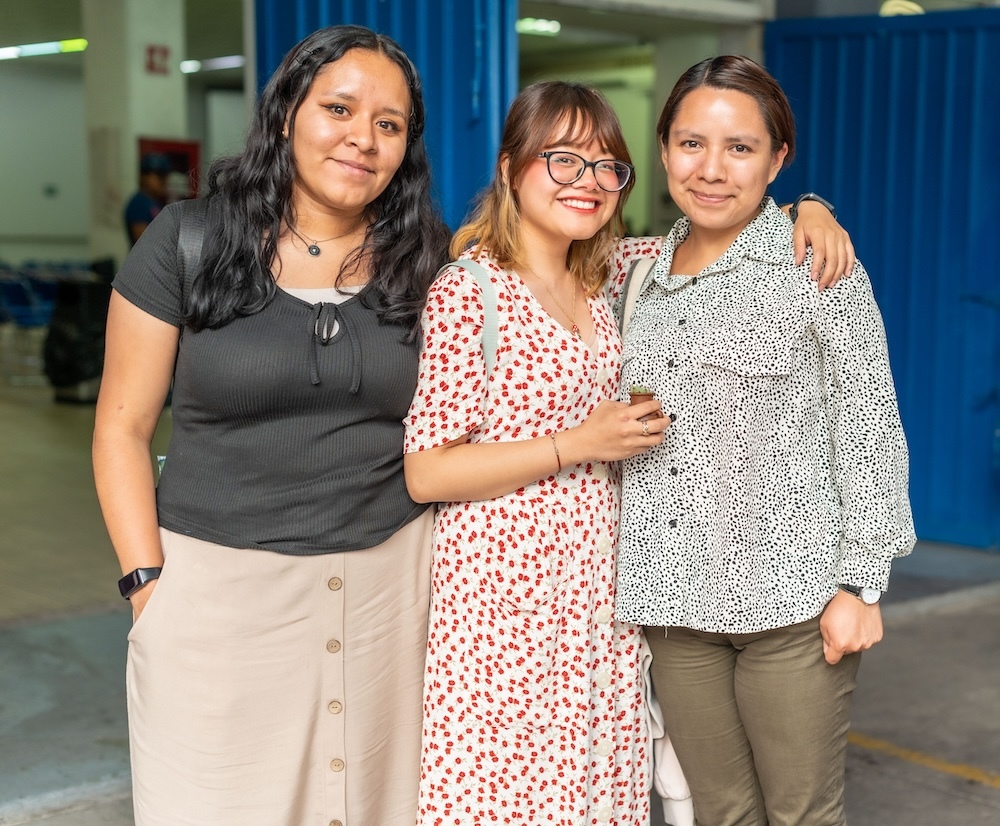
At Curiara, we firmly believe in the power of community and in the dignity of every migrant’s story. We know that your journey is a testament to resilience, love, and an unwavering commitment to your loved ones.
Beyond being a remittance platform, we aim to be a facilitator of your presence, a bridge that connects hearts and sustains the bonds that define you. Because sending money is much more than a transaction; it’s a gesture of care—it’s your way of saying «I’m here,» «I’m with you,» and «I’m still looking out for you.». Here at Curiara, we celebrate your strength and your ability to love and support your loved ones, even from a distance. Because we know that, even though we may not always be there in person, we can still be a part of the lives of those we love, building a future of progress and well-being together.
Sources consulted
- Joseba Achotegui: The Ulysses Syndrome
- Ulysses Syndrome Institute – Migration and Mental Health
- Betania: Migration. A Challenge That Affects People
- Psychology in Costa Rica: 7 Signs of Ulysses Syndrome and How to Deal with Them